
Remember the days when your art department created the most beautiful visuals for your stories and presentations? Well, here’s the uncomfortable truth I keep saying to innovative design and customer experience innovation leaders: put the hand drawn, human side of design back into your stuff.
Reality check: Your competitor has the exact same AI image and video tools you do. So does the intern down the hall.
When anybody can generate a polished infographic in the time it takes to microwave lunch, sameness becomes the new noise. Your customers, your board, and your own employees scroll past content that all looks and feels identical, because it is.
Now, I’m a words girl, but visual storytelling is so powerful. But the bar has moved. It’s no longer about producing a visual. It’s about producing one that carries a point of view AI didn’t invent and couldn’t invent on its own.
I see this constantly with the innovation leaders I coach. The volume of images has gone up. Distinctiveness hasn’t, and it’s distinctiveness, not volume, that gets remembered, championed, and funded.
The Trend Backing This Up: Creatives Are Fighting Back With Actual Human Hands
I’m not the only one saying this. Designers are already responding to AI sameness, and not by writing smarter prompts. They’re picking up pencils.
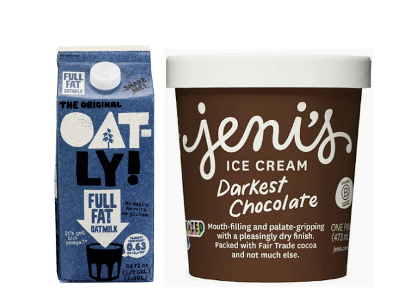
Check out the brands you love: Oatly, Jeni’s Splendid Ice Cream, Graza Olive Oil [in that cool squeeze bottle], and most importantly, Claude. All of them are connecting at the human level with not-so-perfect designs. Imperfection is in. Whimsy, fun, narrative packaging that tells a story before you crack open the can.
Just check out this difference in the before/after at ZocDoc, proving even “serious brands” are going human.

As AI-generated imagery floods the market, brands increasingly want original artwork that feels human and distinctive, according to Anna Goodson Illustration Agency. Creative Bloq reports the same shift: hand-drawn illustration is growing as a deliberate counterweight to AI-driven production. And in fashion, of all industries, Highsnobiety reported a fan publicly thanking a brand for using hand-drawn animation instead of AI, calling it a breath of fresh air.
The lesson isn’t “hire an illustrator and call it a day.” The market is already rewarding the move I’m describing above: pairing AI’s speed with something a machine can’t fake.
The Bottom Line
The organizations that break through won’t use AI to make more content. They’ll use it to make content that still feels unmistakably human, because our brains aren’t built on spreadsheets. They’re built on story. That’s the work. Not more visuals. The right ones.